In daily production, small mechanical issues can quickly turn into real problems.
A typical example:
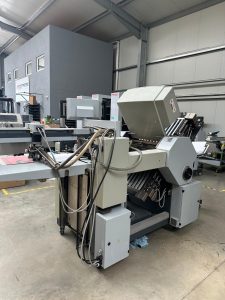
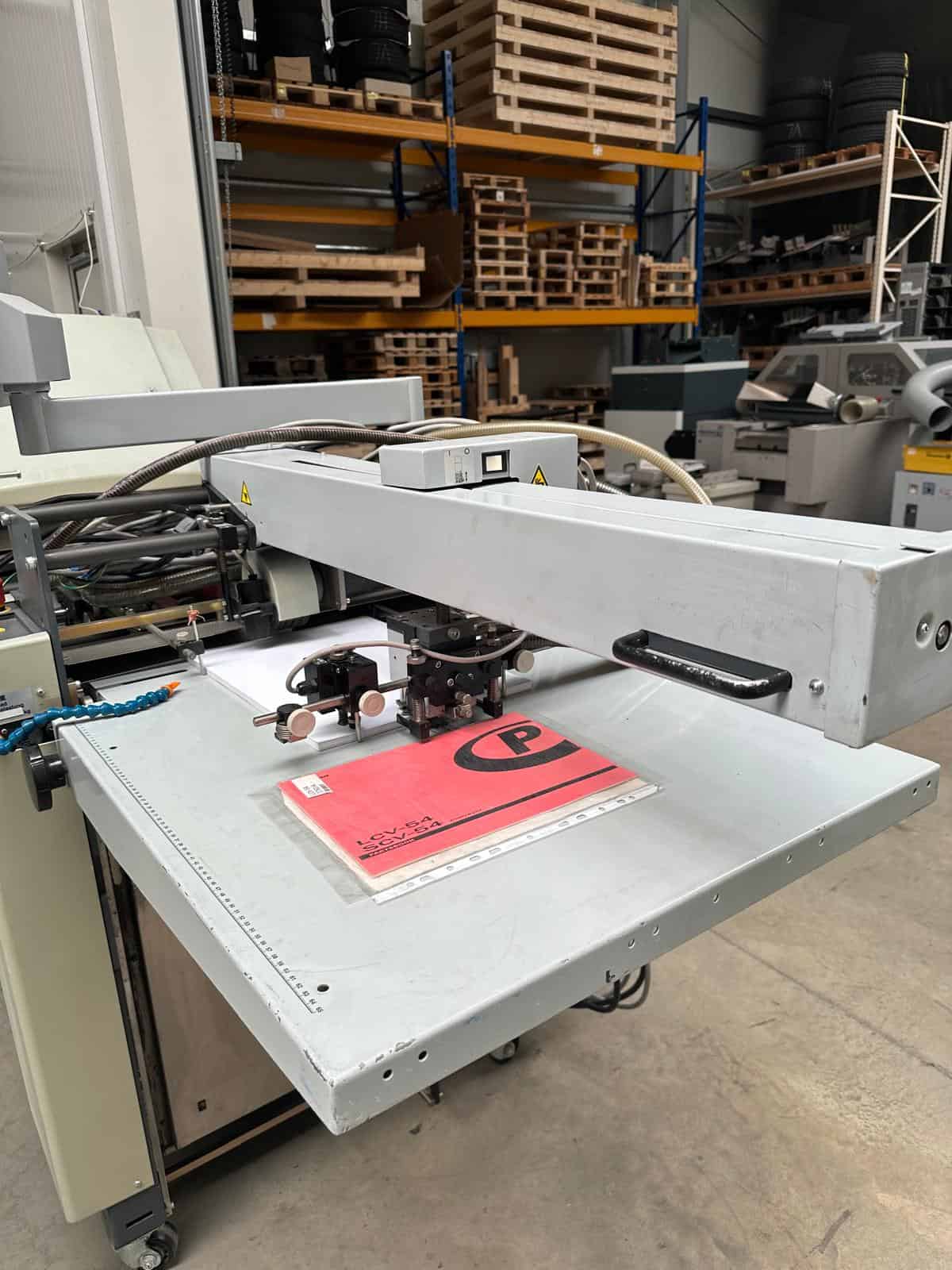
The arm of a folding machine becomes difficult to move.
At first glance, this might seem like wear, stiffness, or a general mechanical issue.
But in many cases, the cause is much simpler.
A Common Problem in Folding Machines
In our workshop, we recently had exactly this situation.
The arm of a folding machine could hardly be moved.
Operating it required much more force than usual.
This is not just inconvenient – it also slows down production and can lead to further wear over time.
The Cause: A Missing Damper
With experience, certain problems become very clear.
In this case, the issue was identified immediately:
A missing damper.
Dampers play an important role in many folding machines.
They ensure smooth and controlled movement of mechanical parts, such as arms or units.
If a damper is missing or defective, the movement becomes stiff, uncontrolled, or difficult.
The Solution
The fix was simple but effective.
A new damper was installed, and immediately the difference was noticeable.
The arm could be moved smoothly again, without force or resistance.
The machine was back to normal operation within a short time.
Why This Matters
Issues like this are more common than many operators think.
A missing or defective damper may seem like a small detail, but it has a direct impact on:
- ease of operation
- machine wear
- production efficiency
Ignoring such problems can lead to bigger mechanical issues over time.
The Value of Experience
What made the difference here was not a complex repair –
but knowing where to look.
Recognizing typical issues quickly saves time, reduces downtime, and keeps production running.
Conclusion
If a folding machine becomes difficult to operate,
it’s not always a major defect.
Sometimes, it’s just a small missing component like a damper.
Checking these details can make a big difference in performance and usability.
Practical Tip
If parts of your machine suddenly become hard to move,
always check for missing or worn mechanical components first.
Often, the solution is simpler than expected.